
Patients
Lasting Relief Starts with Understanding the Whole Body
TMJ and TMD symptoms can extend far beyond the jaw. Our biomechanical approach looks at how your jaw, bite, muscles, posture, airway and the rest of your body work together to better understand what may be contributing to your symptoms.
Start Here →Understanding TMJ & TMD
What Is TMJ/TMD?
TMJ stands for the temporomandibular joint, the hinge that connects your jaw to your skull just in front of your ears. You use it constantly to talk, chew, yawn and move your jaw.
Here is where it gets tricky: TMJ is the joint itself. TMD refers to the problems that can affect the joint, the muscles around it, your bite and connected areas such as the head and neck.
What Is the TMJ?
The temporomandibular joint is the hinge connecting the lower jaw to the skull, located just in front of each ear.
What Is TMD?
Temporomandibular disorders refer to problems involving the jaw joints, surrounding muscles, bite and connected areas of the head and neck.
The Bigger Picture
More Than a Jaw Problem.
Headaches, jaw tightness, facial pain or clicking when you open your mouth may be signs of TMD. While it is commonly viewed as a jaw issue, the effects can extend beyond the jaw.
Our approach looks at how the entire system works together, from the teeth to the toes.
Signs & Symptoms
Common Signs of TMJ and TMD
TMD can show up in more places than the jaw. These are some of the most common signs and symptoms patients experience.
- Clicking, popping or locking
- Ear pain, pressure or ringing
- Trouble chewing or swallowing
- Teeth that no longer feel like they fit together
- Tooth pain or sensitivity with no clear cause
- Headaches in the temples or behind the eyes
- Neck and shoulder tension
- Sleep problems from clenching or grinding
Causes of TMD
It Rarely Comes from One Thing
TMD doesn’t come from just one issue. It usually develops when your body adapts to strain. Genetics, growth and development, posture, trauma and other factors can all contribute.
Genetics
Inherited Factors
- Joint hypermobility
- Connective tissue disorders
- Facial growth patterns that affect the bite or airway
Growth & Development
Epigenetic Factors
- Chronic mouth breathing, allergies or tongue-tie
- Narrow or underdeveloped jaw
- Missing or shifted teeth
- Dental or orthodontic work that changed bite balance
Posture
Structural Strain
- Forward head position
- Shoulder and back strain
- Bite misalignment affecting head and neck position
Trauma
Past Injuries
- Car accidents or whiplash
- Sports or fall injuries
- Surgical or dental trauma
- Connective tissue overstretch
Other Factors
Additional Strain
- Sleep disruptions
- Stress and tension patterns
- Timing and intensity of injuries
Diagnosis
Seeing the Whole Picture
A proper TMD diagnosis looks beyond the jaw. A biomechanical TMJ dentist assesses how the different parts of the system are working together.
What We Assess
Looking Beyond the Jaw
TMD can involve more than one part of the body. We look at the structures and functions that may be contributing to how your jaw feels and moves.
- Structural strain
- Muscle fatigue and imbalance
- Joint stability
- Breathing and airway function
- Bite and jaw movement
- Posture and neurology
How We Measure
Turning What We See into Data
Diagnostic technology helps us measure how the jaw, bite, muscles and surrounding structures are functioning together.
CBCT Imaging
3D view of the jaw, head, neck and airway.
Digital Photography
Evaluates posture and body alignment.
T-Scan Bite Analysis
Measures bite timing and pressure.
EMG Muscle Readings
Measures muscle activity and strain.
Jaw Tracking & Joint Vibration Analysis
Detects movement issues and joint stress.
ULF TENS
Gently relaxes muscles for accurate assessment.
Upper Cervical Chiropractic Referrals
Addresses alignment of the cranial-cervical junction.
Why It Matters
A Diagnosis Should Explain More Than Where It Hurts
Misdiagnosed or untreated TMD can lead to chronic pain, frustration and ineffective treatments. A thorough diagnosis helps build a clearer picture of what may be contributing to your symptoms and how the system is functioning as a whole.
Treatment
A Staged Approach, Guided by Measurement
Treatment is divided into phases, beginning with stabilising and measuring the system before longer-term options are considered.
Stabilize and Measure
Establish a more balanced starting point and measure how the jaw, bite, muscles, airway and surrounding structures respond.
Measure How the Teeth Meet
T-Scan Occlusal Adjustments measure timing, pressure and force of tooth contact, while EMG Muscle Monitoring measures jaw and neck muscle activity.
Neuromuscular Reset
ULF-TENS relaxes the jaw and neck muscles while Jaw Tracking maps movement to help guide a custom orthotic.
Optimize Breathing
Sleep diagnostics evaluate oxygen, pulse and jaw movement, with coordinated care that may include ENT evaluation, oral appliances and myofunctional therapy.
Allied-Health Integration
Care may include upper-cervical chiropractic, physiotherapy, posture work, functional medicine and nutrition as part of a broader treatment plan.
Build the Long-Term Strategy
Once a more stable position has been established, longer-term options can be considered to help maintain the result.
Orthotic or Bite Equilibration
Maintains balanced jaw function over time.
Restorative or Orthodontic Care
Crowns, implants or aligners rebuild a long-term stable bite.
Ongoing Monitoring
Regular check-ups help monitor continued comfort, function and alignment.
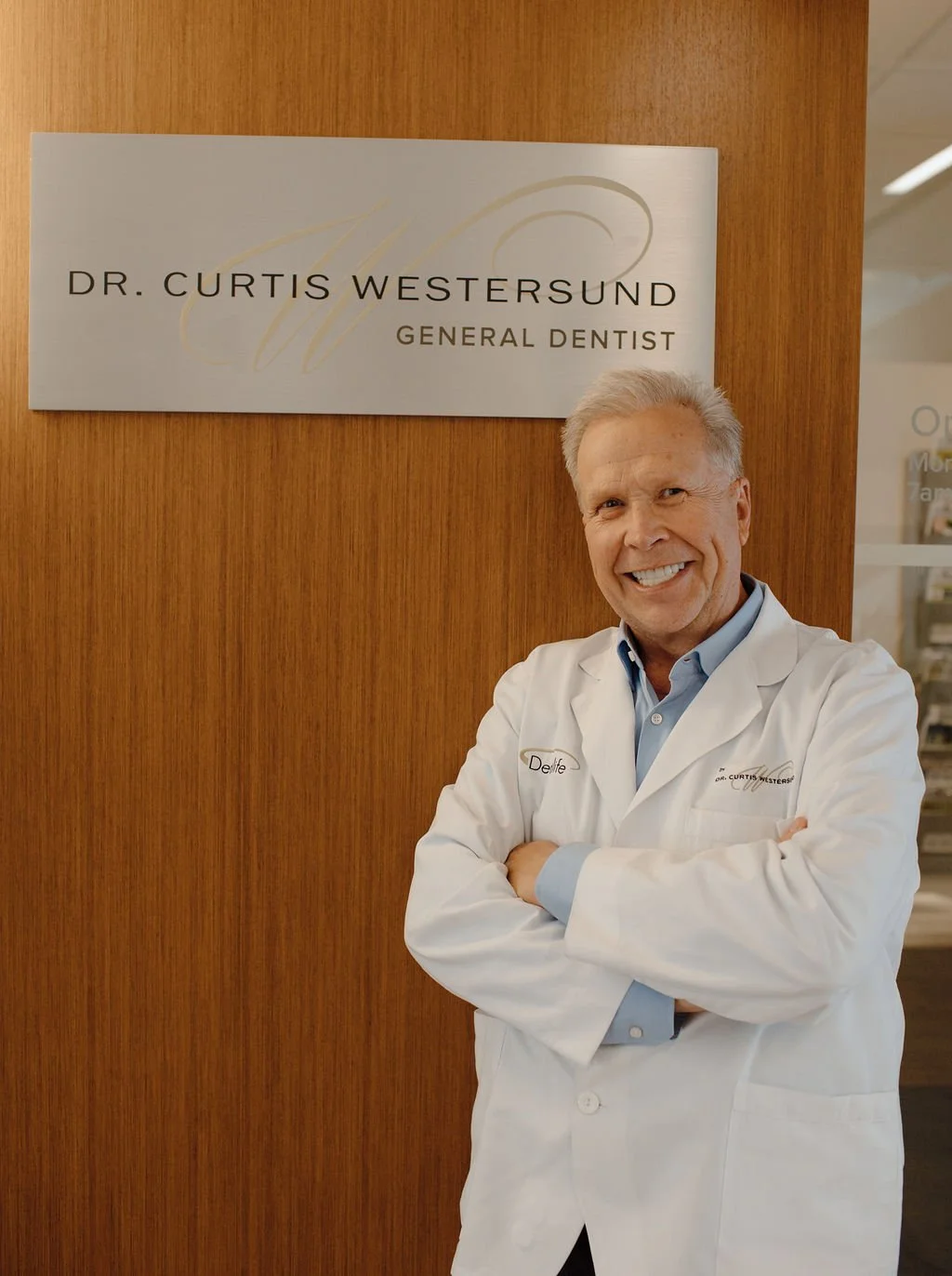
Meet Dr. Westersund
A TMJ Dentist Who Looks at the Whole Body
Your body is one connected system. When the jaw is strained or out of balance, the effects can extend far beyond the bite.
Dr. Westersund looks at how the jaw, muscles, airway, neck and posture work together rather than treating the jaw in isolation. That broader view uncovers what is contributing to symptoms and guides a more measured, individualized approach to care.
Questions From Patients
Common TMJ and TMD Questions
TMJ and TMD can be confusing, especially when your symptoms seem unrelated. Explore answers to some of the questions we hear most often from patients.
Explore Patient Q&AClicking or popping can happen when the structures inside the jaw joint are not moving together as smoothly as they should. Understanding why it is happening requires looking at the joint as well as your bite, muscles and overall biomechanics.
The jaw does not function independently from the rest of the head and neck. Jaw position, muscle activity and posture can all influence how these areas work together, which is why we look beyond the location of the symptom itself.
Morning jaw discomfort or headaches may be associated with nighttime clenching, grinding, muscle activity or sleep and breathing patterns. A proper assessment helps determine what may be contributing in your individual case.
Ready to Understand What’s Behind Your Symptoms?
Start with a free Zoom meet-and-greet. Tell us what you’ve been experiencing, ask your questions, and find out whether our approach makes sense for you.
Get in Touch
Contact Digital TMJ
Have questions about TMJ and TMD, our patient resources, or training for dentists? Get in touch with our team for more information, guidance, or opportunities to learn and collaborate.